The fastest ways to reduce your heating bills often cost nothing. Start by adjusting your thermostat, heating only the rooms you use, and preventing warm air from escaping. Next, consider affordable improvements such as draught-proofing. If your home still loses a lot of heat, insulation may offer greater long-term benefits.
Your actual savings will depend on your home, heating system, energy prices and location. The money-saving figures in this guide are based on UK energy advice and apply to Great Britain or Northern Ireland where stated. Advice from other countries is labelled separately.
First, Keep Your Home Warm Enough
Saving money should never mean putting your health at risk. Cold homes can contribute to health problems, particularly for older people, babies and anyone with an existing health condition.
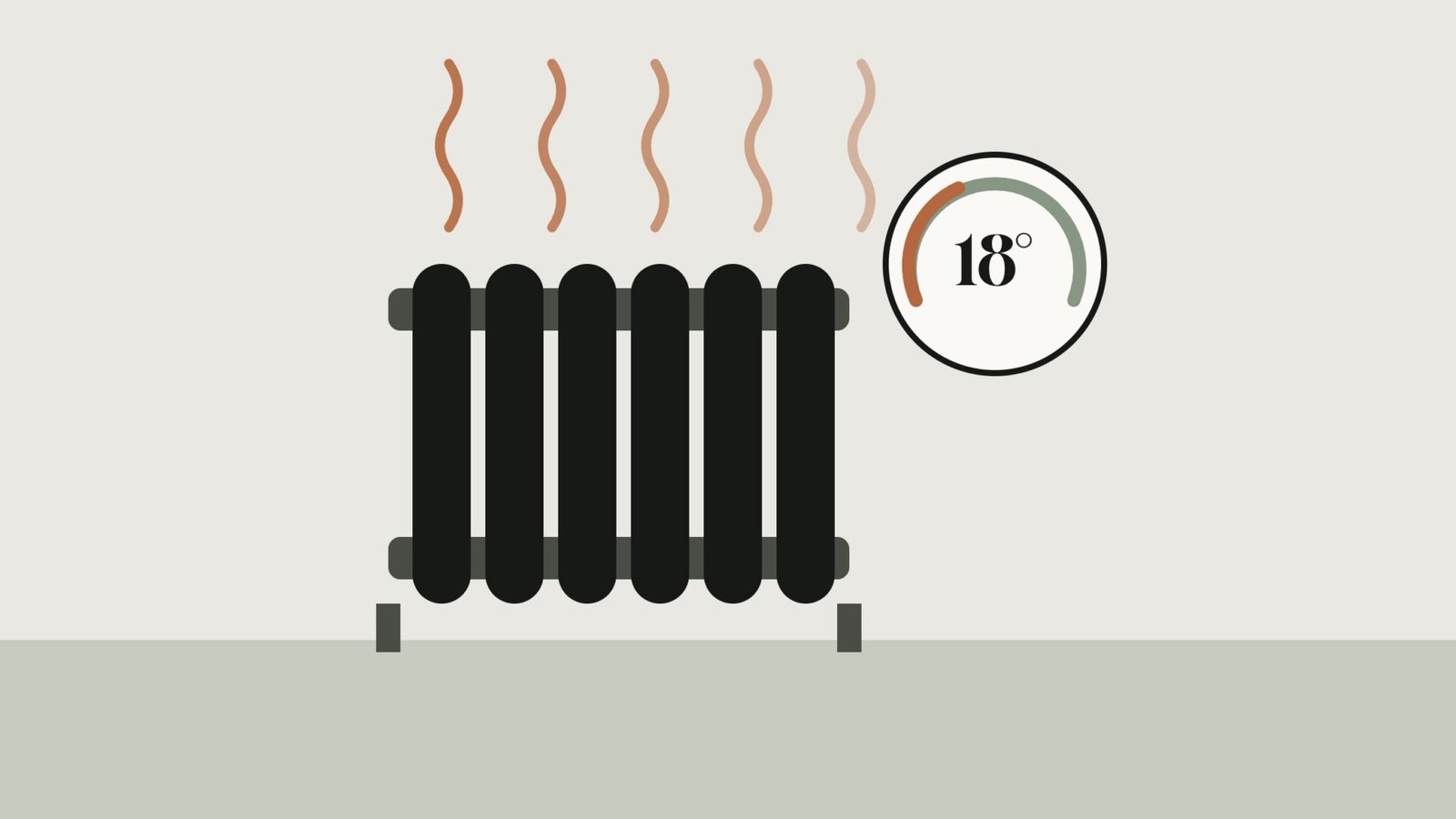
According to the NHS, if possible, aim for at least 18°C in the rooms you regularly use, especially if you have a health condition. Individual needs vary, so follow appropriate medical advice if you are vulnerable to cold weather.
If you are struggling to afford heating, check the support options listed below before reducing your heating further.
Free Changes You Can Make Tonight
1. Turn Your Thermostat Down Slightly
Lowering your thermostat can reduce energy use because your heating system does not need to maintain such a high indoor temperature. Try reducing the setting by one degree and see whether you remain comfortable.
According to the Energy Saving Trust, reducing a thermostat setting from 22°C to 21°C could save around £120 a year in Great Britain and £80 in Northern Ireland. These are estimates, not guaranteed savings, and the results depend on your home and heating use.
In the United States, the Department of Energy says you could save up to 10% a year on heating and cooling by turning the thermostat back 7–10°F for eight hours a day. For example, you could lower it while sleeping or away from home. See its programmable thermostat advice.
However, do not lower the temperature so far that it puts your health or the safety of your home at risk.
2. Heat the Rooms and Hours You Actually Need
Use your heating timer to warm your home shortly before you get up or return from work, rather than running the heating unnecessarily. If your system has thermostatic radiator valves, you can also set different temperatures in different rooms.
For example, keep frequently used living spaces comfortable and reduce heating in rooms you rarely use. Close internal doors where appropriate to help manage heat, but maintain enough ventilation to prevent damp and condensation.
3. Let Sunlight In During the Day
Natural sunlight can help warm your rooms. Open curtains and blinds when the sun is shining, then close them at dusk to reduce heat loss through windows.
Also, keep furniture and long curtains away from radiators. Otherwise, they may block the flow of warm air into the room.
4. Check Your Radiators
If a radiator is cold at the top but warm at the bottom, trapped air may be preventing it from heating properly. Bleeding the radiator can help restore its performance.
Before you start, switch off the heating and allow the radiator to cool. Follow the manufacturer’s instructions and use a suitable radiator key. If the radiator remains cold or you are unsure how to proceed, ask a qualified heating professional for help.
Low-Cost Fixes That Can Make a Difference
5. Draught-Proof Doors, Windows and Letterboxes
Small gaps around doors, windows, letterboxes and floorboards can let warm air escape. Fortunately, suitable draught-proofing strips, brush seals and letterbox covers are often inexpensive and straightforward to install.
The Energy Saving Trust estimates that draught-proofing around windows, floors and doors could save around £55 a year in Great Britain or £80 in Northern Ireland. Professional draught-proofing costs vary, while DIY options may cost less.
For more details, read the Energy Saving Trust’s draught-proofing guide.
However, do not seal ventilation openings designed for fuel-burning appliances. Your home still needs suitable ventilation to maintain indoor air quality and reduce condensation.
6. Stop Draughts From an Unused Chimney
An unused open chimney can allow warm air to escape. A suitable chimney draught excluder could save around £45 a year in Great Britain or £60 in Northern Ireland, according to the Energy Saving Trust.
Always follow the product instructions and remove the excluder before using the fireplace. Never block a chimney while an appliance or fire is operating.
7. Reduce Hot Water Energy Use
Heating water can also contribute to household energy bills. Fortunately, a few simple habits can help reduce the amount of energy you use.
- Take shorter showers: A four-minute shower can use less hot water than a longer one, particularly if you use a water-efficient showerhead.
- Insulate your hot water cylinder: A suitable cylinder jacket can help reduce heat loss from a storage tank.
- Use less hot water at the tap: A compatible tap aerator may reduce water flow while maintaining a useful stream.
- Wash clothes at lower temperatures: When suitable for the fabric and level of dirt, washing at 30°C can reduce energy use compared with hotter cycles.
Your savings will depend on your current habits, equipment and energy prices. For that reason, treat general savings estimates as a guide rather than a promise.
Medium-Cost Improvements
8. Consider Smart Thermostats and Radiator Valves
Smart thermostats can help you control heating schedules and adjust settings remotely. Thermostatic radiator valves, meanwhile, let you manage temperatures in individual rooms.
These controls may help you avoid heating an empty home or maintaining unnecessarily high temperatures. However, the amount you save depends on your previous heating habits and how well the controls suit your system.
Before buying a smart thermostat, check compatibility with your boiler or heat pump. Some heat pump systems work best with specific control settings, so follow the manufacturer’s guidance.
9. Improve Your Loft Insulation
Heat can escape through an inadequately insulated roof. Therefore, checking your loft insulation is a useful step if your home loses heat quickly.
The Energy Saving Trust recommends a loft insulation depth of around 270mm for mineral wool in typical loft installations. If your loft already has insulation, topping it up may improve performance, although the potential savings depend on the existing depth and condition.
Installing 270mm of insulation in a completely uninsulated loft could save around £230 a year in Great Britain, according to the Energy Saving Trust. By contrast, topping up existing insulation from 120mm to 270mm could save around £17 a year in Great Britain. These estimates may change as energy prices and assumptions are updated.
Read the Energy Saving Trust’s loft insulation guide before deciding whether to do the work yourself or hire an installer. If your loft has damp problems, limited access or a complicated roof structure, seek professional advice.
Bigger Upgrades and Financial Support
Wall insulation, replacement windows and heat pumps can improve energy efficiency, but they usually cost more upfront. As a result, compare installation quotes, expected savings and available support before committing to a major project.
United Kingdom
The Great British Insulation Scheme closed at the end of March 2026. However, ECO4 is scheduled to run until 31 December 2026, and eligible households may still be able to access support through participating energy suppliers, subject to the scheme’s rules and availability.
The Boiler Upgrade Scheme also offers grants towards eligible low-carbon heating installations in England and Wales. Check the current eligibility requirements and grant amounts before making a decision.
Use these official resources:
- Ofgem: Energy Company Obligation (ECO4)
- GOV.UK: Boiler Upgrade Scheme
- GOV.UK: Home energy grants and support
United States
Federal, state and local incentives can change. Check the US Department of Energy’s tax credits and rebates information and your state energy office for current programmes.
Canada
The Canada Greener Homes Grant is closed to new applicants, and its final document-submission deadline passed in December 2025. However, other support may be available depending on your province, territory, income and property.
Start with the official Natural Resources Canada home energy programmes.
Australia
Energy rebates and home-upgrade programmes vary by state and territory. Check your state or territory government’s official website for current eligibility rules and available assistance.
Wherever you live, be cautious of unsolicited calls promising free upgrades. Verify the programme and installer through official sources before sharing personal details or agreeing to work.
Heating Myths That Can Waste Money
Myth 1: Leaving the Heating on Low All Day Is Always Cheaper
Not necessarily. In many homes, heating only when needed uses less energy than maintaining a temperature throughout the day. A timer and suitable thermostat settings can help you manage heating more efficiently.
The best approach depends on your heating system, insulation, weather and household routine. Heat pumps, in particular, may need a different control strategy from conventional boilers.
Myth 2: Plug-In Electric Heaters Are Always Cheaper
Portable electric heaters can be useful for warming one occupied room for a short time. However, using them to heat an entire home may be expensive, depending on electricity prices and the efficiency of your main heating system.
Compare the running costs before switching. Never use a barbecue, camping stove or outdoor gas heater indoors, because these can produce deadly carbon monoxide.
Myth 3: Turning Up the Thermostat Heats a Room Faster
Setting your thermostat much higher than your target temperature does not necessarily make the room warm up faster. Instead, set a comfortable target temperature and allow the heating system to do its job.
Heating-Bill Savings: A Quick Comparison
The figures below are estimates from UK energy advice. Actual results vary by property, energy prices and existing equipment.
| Tip | Upfront cost | Estimated annual saving | Effort |
|---|---|---|---|
| Lower thermostat from 22°C to 21°C | Free | Around £120 in Great Britain; £80 in Northern Ireland | Very low |
| Adjust heating schedules | Usually free if controls are installed | Depends on usage | Low |
| Open curtains in daylight and close them at dusk | Free | Depends on the home | Low |
| Draught-proof windows, floors and doors | Low to medium | Around £55 in Great Britain; £80 in Northern Ireland | Low to moderate |
| Fit a chimney draught excluder | Low | Around £45 in Great Britain; £60 in Northern Ireland | Low |
| Improve loft insulation from 0mm to 270mm | Higher upfront cost | Around £230 in Great Britain | Professional advice may be needed |
| Top up loft insulation from 120mm to 270mm | Medium | Around £17 in Great Britain | Professional advice may be needed |
| Smart thermostat or radiator valves | Medium | Depends on usage and system | Installation may be needed |
| Wall insulation or a heat pump | High | Depends on the property and system | Professional installation |
Savings are not guaranteed and should not be added together as if each measure delivers its full estimate independently. Some improvements overlap, and the underlying estimates may use different assumptions.
Where to Start This Week
You do not need to spend a lot of money to start reducing your heating bills. First, review your thermostat settings and heating schedule. Next, close curtains at dusk, keep radiators unobstructed and check for draughts around doors and windows.
After that, consider affordable improvements that suit your home. If you have an uninsulated loft or persistent heat loss, compare the cost of insulation with the likely long-term benefit.
Most importantly, keep your home warm enough for your health and safety. If your bills are still difficult to manage, contact your energy supplier early and ask what payment options or support schemes may be available.

Comments